
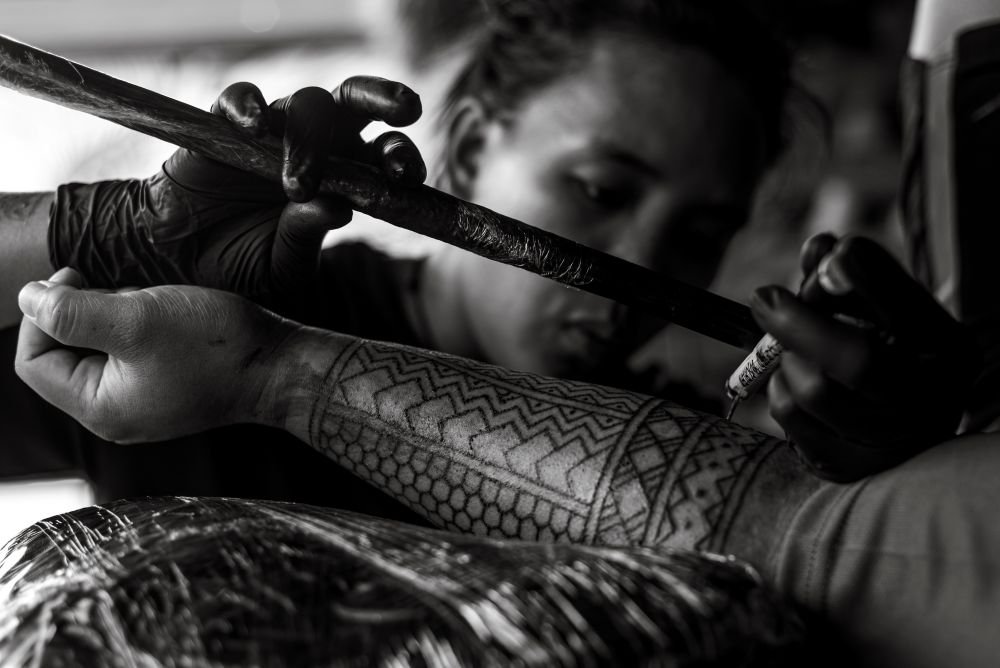
Long before machines and studios, ink already lived on Southeast Asian skin — tapped in with thorns, poked in with bamboo, whispered over with prayer. It was never decoration. It was armor, identity, and passage.
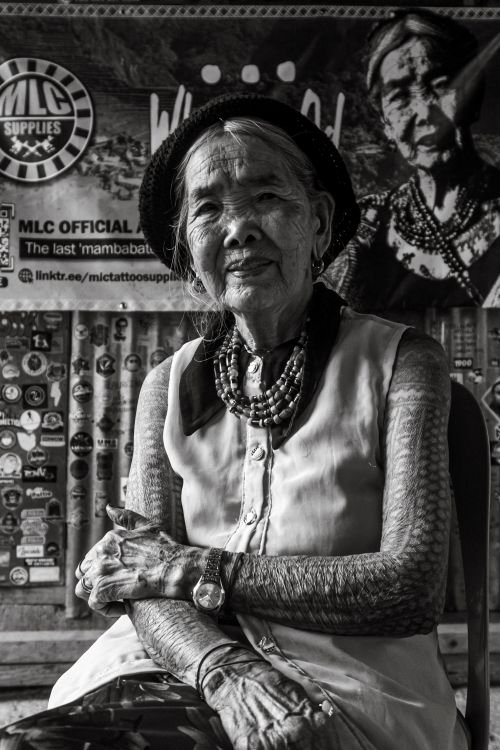
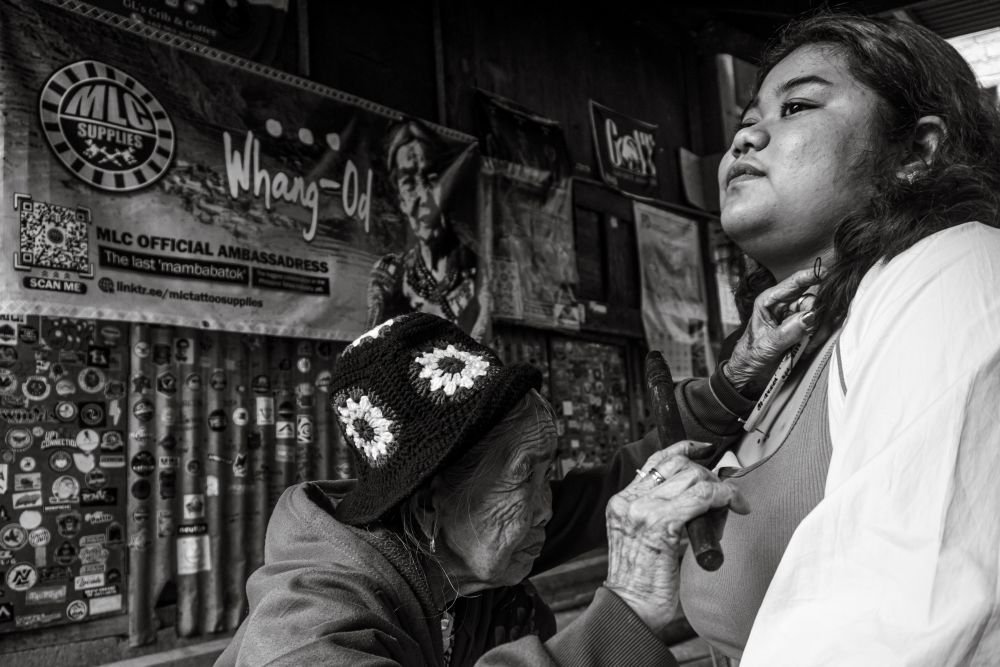
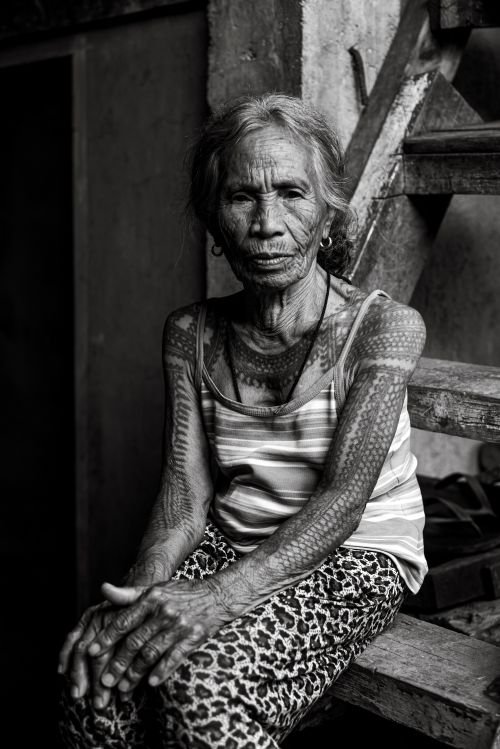
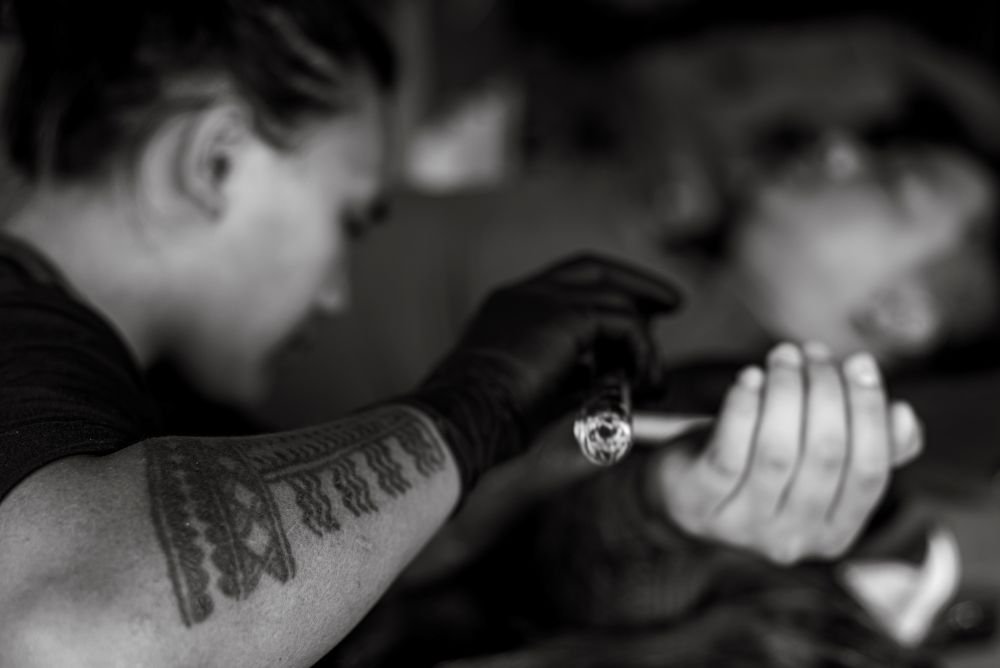
When the Spanish landed in the Philippines in 1521, they found communities so thoroughly inked they named them Los Pintados — the Painted Ones. In the Cordillera mountains, Batok marked Kalinga warriors who returned victorious from headhunting, and women whose dotted patterns spoke of beauty and status. For some women once bound in servitude, those marks were strategy — beauty as a path out of bondage.
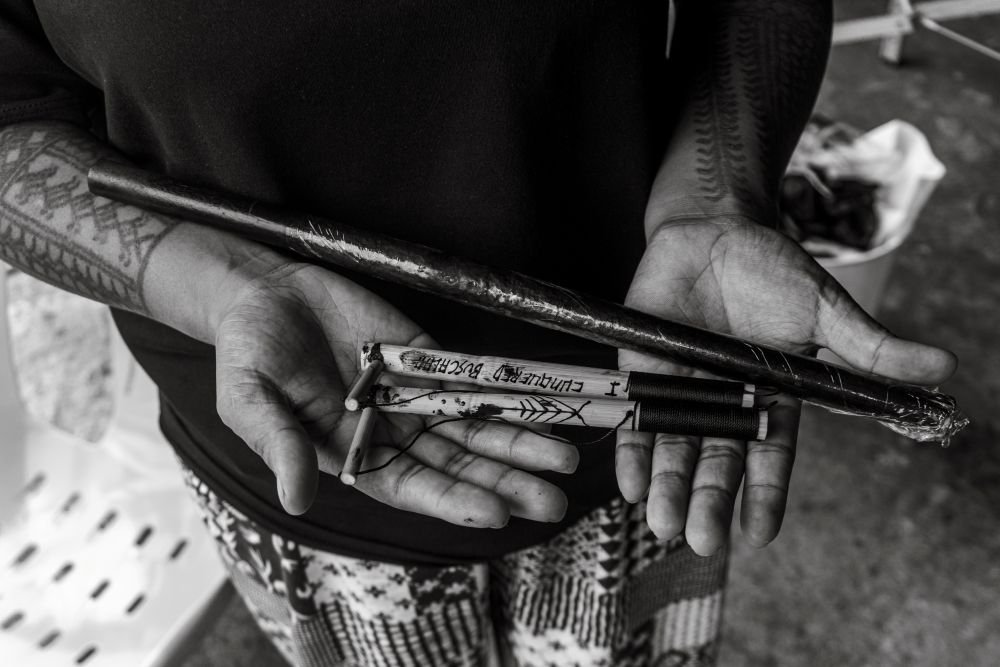
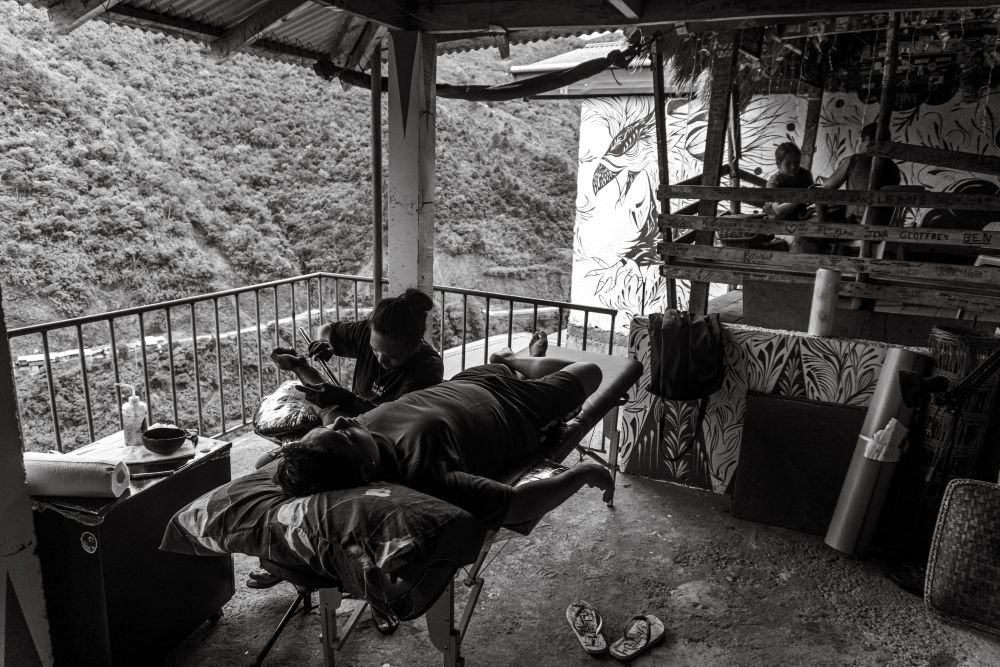
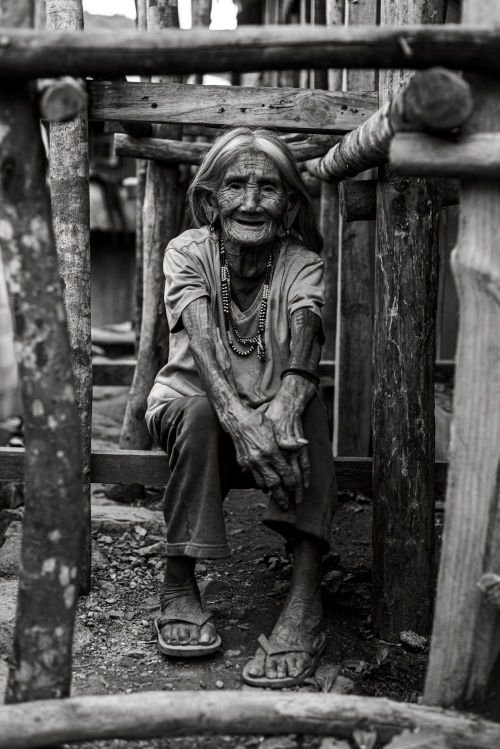
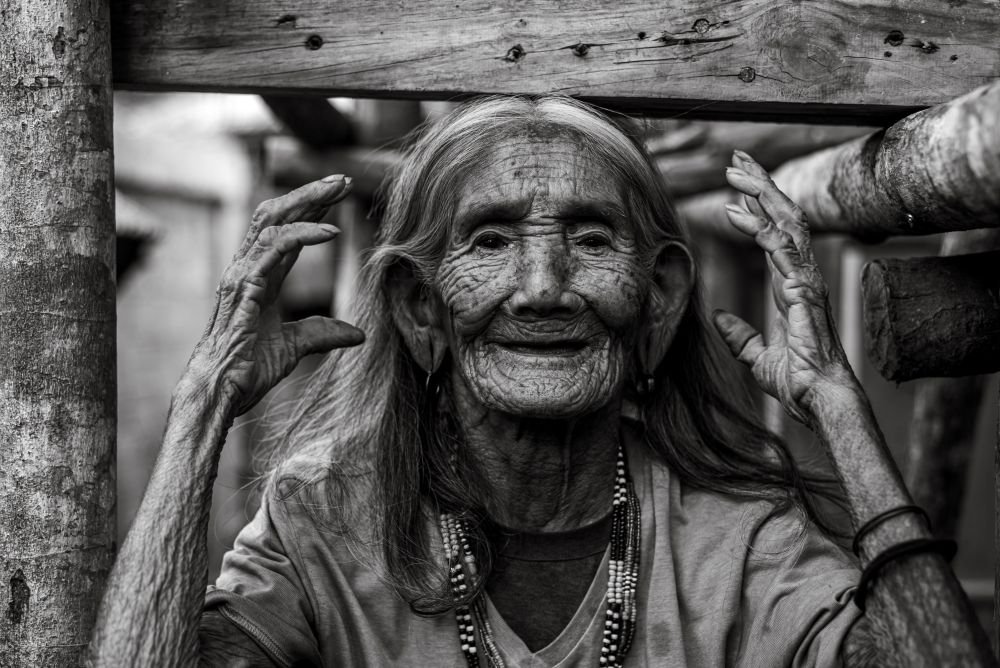
In Buscalan, a village of 800, the tradition survives in three women. Apo Whang-Od, born in 1917, is widely called the last true Mambabatok of her generation. Because Batok passes only through bloodline, she chose two grand-nieces, Grace Palicas and Ilyang Wigan, as heirs. Her signature mark — three simple dots — stands for all three.
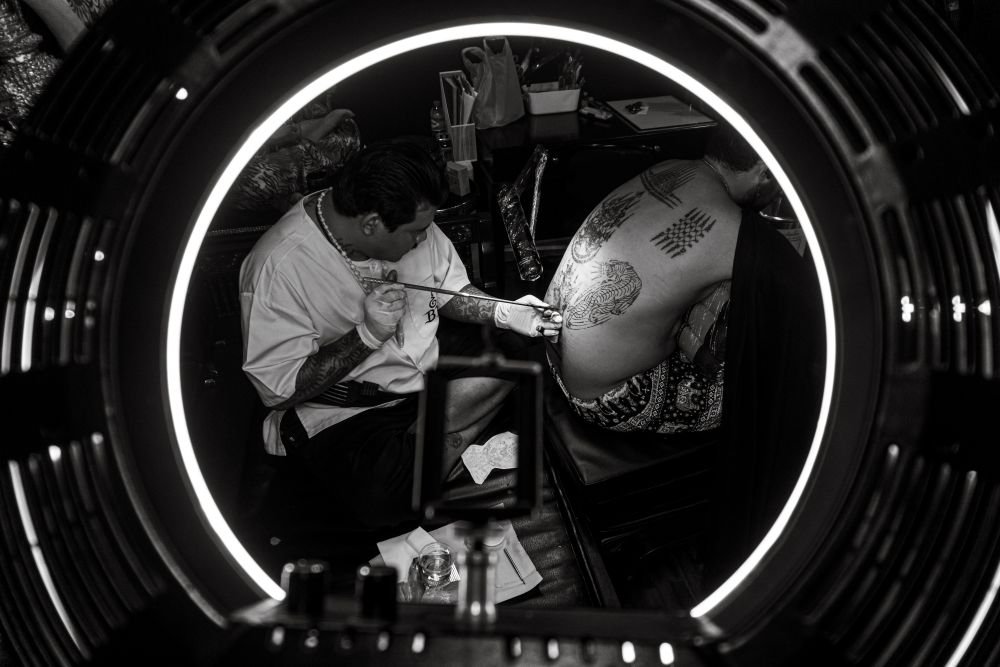
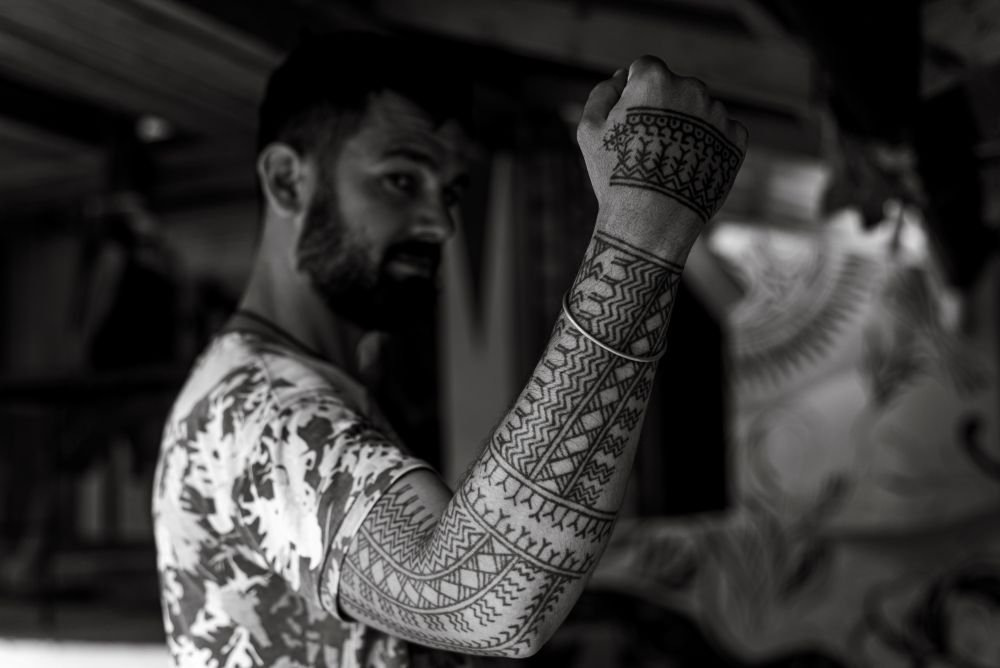
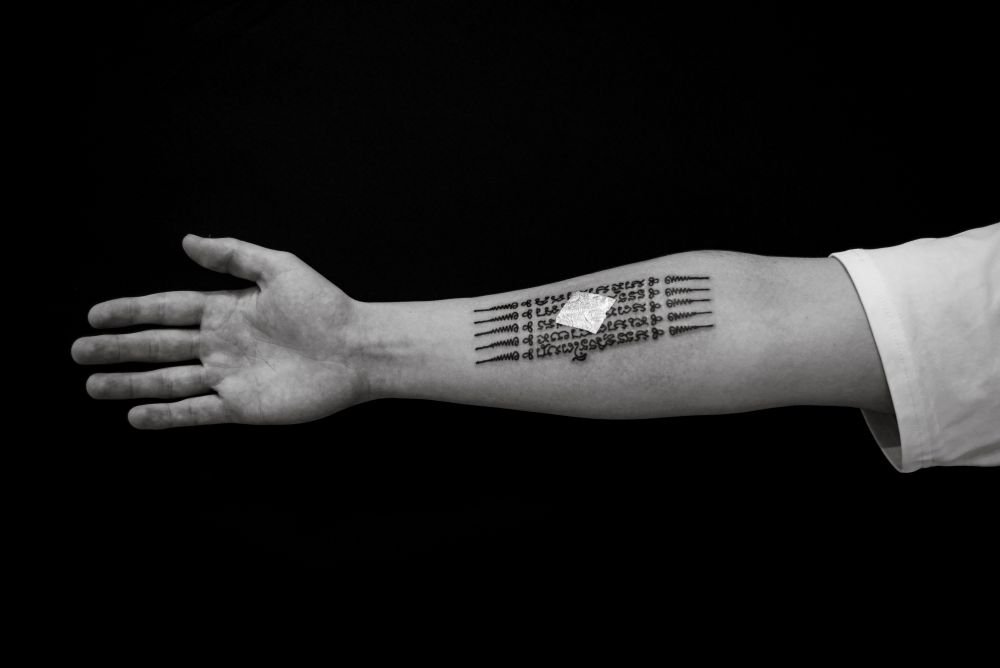
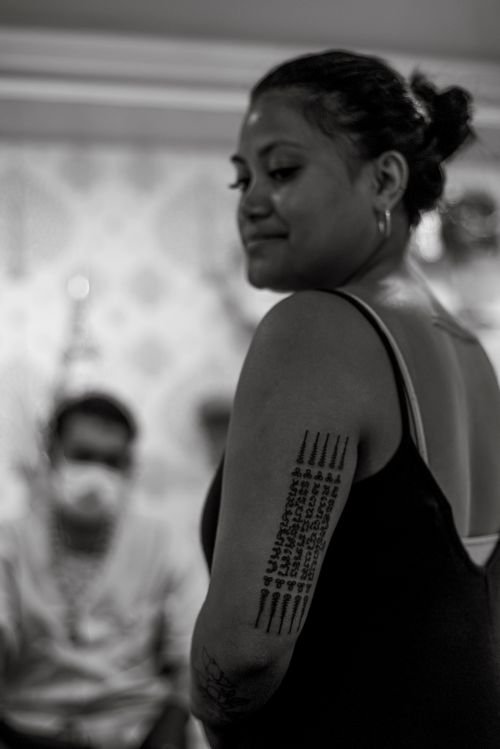
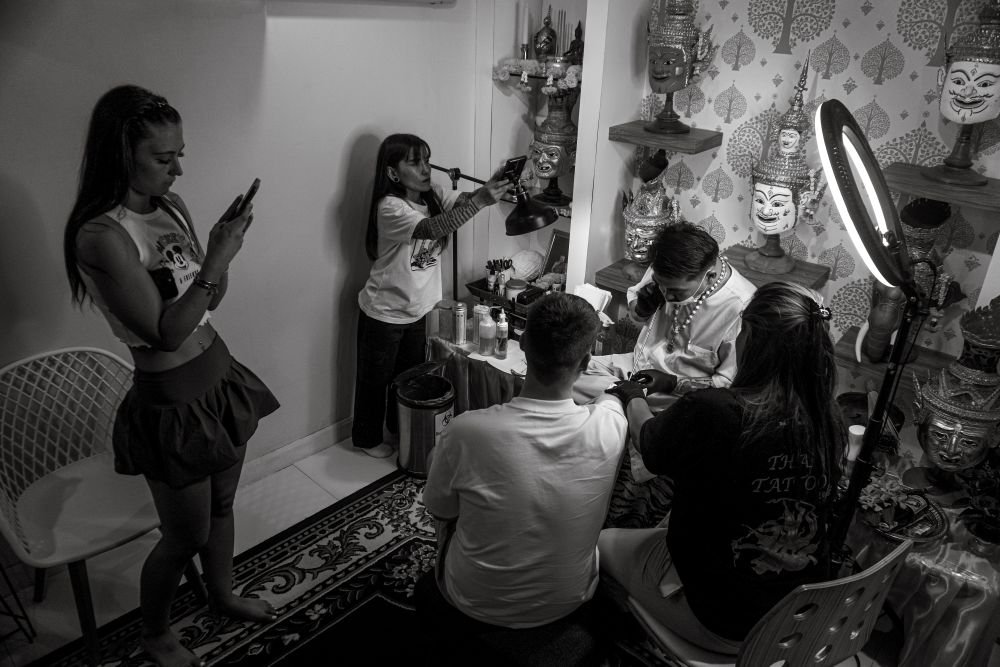
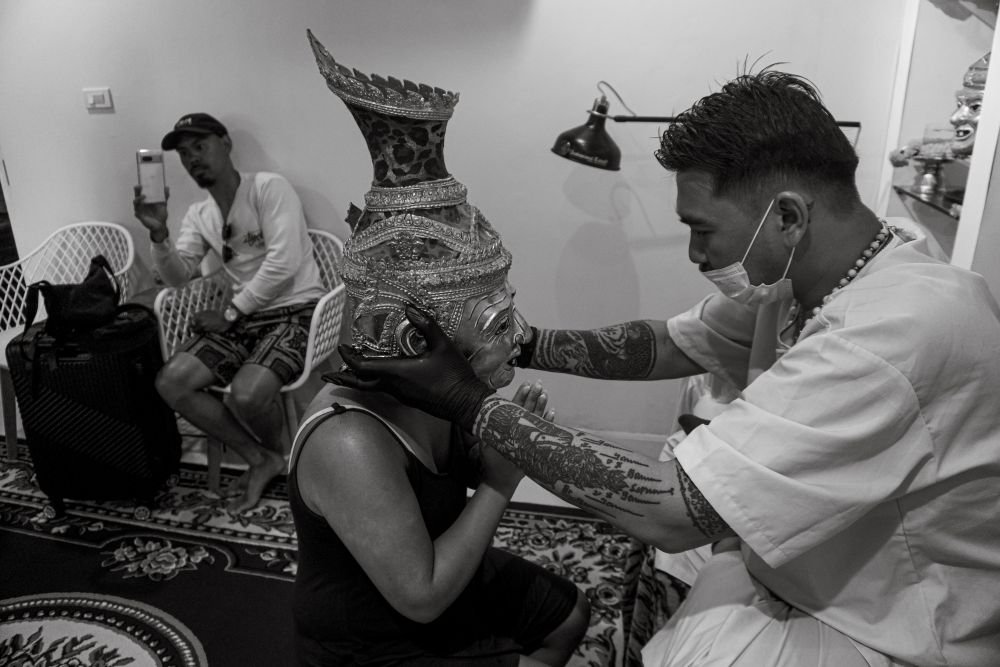
A thousand miles south, Sak Yant traces back to the Khmer Empire, which rose in 802 CE. Monks and shamans inked warriors before battle to make them fierce and impervious to blades. When Angkor fell in 1431, the practice migrated into the Thai kingdoms, flourishing in temples like Wat Bang Phra — fusing Buddhist ethics, Hindu deities, and animist spirits, written in Khom Agkhara, an ancient Khmer-Sanskrit script.
Batok is tapped by bloodline; Sak Yant is chanted by monks. One protects a people, the other a soul. Both insist the skin remembers what words cannot hold.
Images and text: Dicky Bisinglasi



Leave a Reply